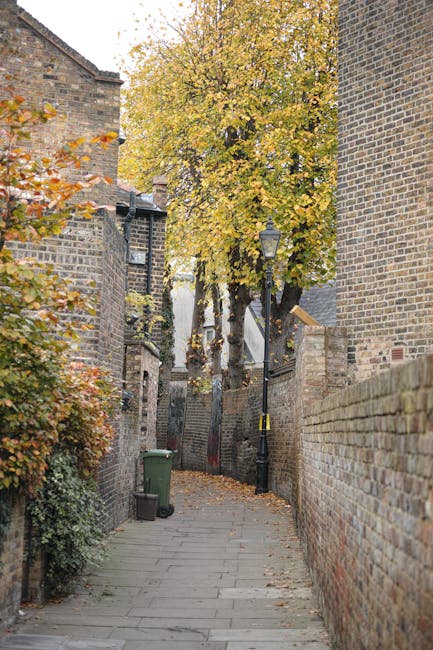
Narrow street access removals solutions Nightingale Lane Balham

Moving out of, into, or through a narrow street can feel like trying to fit a wardrobe through a letterbox. On Nightingale Lane in Balham, that feeling is familiar: parked cars, tighter turning space, awkward loading, and neighbours who quite reasonably want the road kept clear. That is exactly where Narrow street access removals solutions Nightingale Lane Balham become useful. Done properly, they reduce stress, protect your belongings, and make the day feel organised rather than chaotic.
This guide breaks the job down in plain English. You will see how narrow-access removals are planned, what makes them different from a standard house move, where the common risks sit, and which practical choices actually help on the day. If you are comparing options, or you already know the street is awkward, this should give you a clearer way forward. Truth be told, a good plan matters more than brute force.
- Why it matters on Nightingale Lane
- How the process works
- Benefits and practical advantages
- Who needs this kind of move
- Step-by-step guidance
- Expert tips for smoother access
- Common mistakes to avoid
- Tools, resources and recommendations
- Compliance and best practice
- Options and comparison
- Real-world example
- Practical checklist
- Conclusion
- Frequently asked questions
Why Narrow street access removals solutions Nightingale Lane Balham Matters
Narrow streets change the whole shape of a removal. It is not just a matter of lifting boxes from one address to another. The route itself can become the main challenge. On roads like Nightingale Lane, access can be squeezed by parked vehicles, limited passing points, and the simple fact that larger vans may not be able to stop right outside the door for long.
That affects everything: how quickly items can be moved, how safely furniture is handled, and whether the move stays on schedule. If the vehicle has to park further away, every extra metre matters. A sofa that would be straightforward on a wide street suddenly needs more planning, more carrying, and more protection from knocks or weather.
There is also the neighbour factor. Let's face it, nobody enjoys a van blocking the road while someone tries to reverse around it before school run traffic builds up. Good narrow-street planning keeps things calmer for everyone. It is the difference between a move that feels managed and one that feels like a small local drama.
For Balham in particular, the practical reality is a mix of residential parking pressure, busy local timing, and properties that may have older layouts or tighter front access. So the need is not just for a removal team with muscles. You need logistics, communication, and a bit of common sense too.
How Narrow street access removals solutions Nightingale Lane Balham Works
The best narrow-access removals usually start long before moving day. In practice, the process is about reducing unknowns. A good mover will want to understand the property layout, the width of the street, where the nearest safe stopping point is, whether any large items need dismantling, and what the stair access looks like inside.
Here is the basic flow, simplified:
- Access check: The route is reviewed, including street width, parking restrictions, and any awkward corners, gates, or steps.
- Vehicle choice: Instead of assuming a huge van is best, the mover chooses the right vehicle size for the road and the load.
- Load planning: Heavier or bulkier items are identified early, so they can be dismantled, protected, or loaded first.
- Timing plan: The job is scheduled to suit quieter periods where possible, which can make a surprising difference.
- On-site handling: Items are carried using trolleys, straps, blankets, and careful lifting methods to reduce the risk of damage.
- Fallback options: If the vehicle cannot stop right outside, the crew knows the backup plan before things get messy.
In a narrow street, the move often becomes a sequence of smaller decisions rather than one big event. Park here, carry this first, dismantle that second, move the van forward, clear the path, repeat. A decent team will make it look almost boring. That is the goal, really.
For people who also need storage as part of the move, combining removals with a secure holding option can help enormously. A phased move is often easier than trying to do everything in one rush. If that sounds like your situation, removals and storage can be a practical route to consider.
Key Benefits and Practical Advantages
The obvious benefit is access control, but there is more to it than that. Narrow-street removals solutions are really about reducing friction. Less friction means less damage, less wasted time, and less anxiety. You do not need to be a logistics person to appreciate that.
Practical advantages include:
- Safer handling: Items are moved in shorter, more manageable stages.
- Lower damage risk: Careful route planning reduces scuffs, corner knocks, and dropped items.
- Better time use: A structured plan avoids dead time caused by parking confusion or blocked access.
- Less disruption: Neighbours and passing traffic are less likely to be inconvenienced.
- More suitable vehicle choice: You are not forcing a large van into a road where it simply does not belong.
- Improved confidence: You know what is happening and why, which matters more than people admit.
There is also a less obvious benefit: the move feels more professional. When a team turns up with the right plan, the right packing materials, and the right pace, you can tell almost immediately. Doors are protected. Routes are checked. No one is wandering around wondering where to start. That calmness is worth a lot on moving day.
| Approach | Best for | Main strength | Potential drawback |
|---|---|---|---|
| Standard removals van | Easy access streets | Simple and efficient for direct loading | May struggle with tight parking or turning |
| Smaller vehicle plus shuttle carries | Narrow roads and awkward access | More flexible where a large van cannot stop nearby | Can take longer if the load is large |
| Phased move with storage | Complex moves, delayed completion, or limited space | Reduces pressure and gives room to organise | Needs extra planning and temporary storage |
| Dedicated dismantle-and-rebuild approach | Large furniture, tight stairs, fragile items | Makes awkward pieces more manageable | Requires time and careful labelling |
Who This Is For and When It Makes Sense
This sort of removal solution is not only for unusually large moves. In fact, plenty of normal household or small business moves need it because the access is the issue, not the volume. If you are on Nightingale Lane or nearby Balham streets and the van cannot comfortably sit outside, this approach starts making sense very quickly.
It is especially useful if you are:
- moving from a terraced or older property with limited front access;
- relocating furniture that is bulky, fragile, or difficult to turn;
- moving with children, pets, or older relatives and need the day kept orderly;
- running a small business that has to avoid blocking the street for long;
- moving on a street with resident parking pressure and narrow passing space;
- using a service that includes both transport and short-term holding of items.
It also makes sense if you have been given a completion date with limited notice. Not every move has the luxury of a long lead time, and sometimes you simply need a workable plan fast. In those cases, a flexible local option such as local removals or a smaller-scale service like small removals can fit the situation better than a one-size-fits-all package.
One practical thing to remember: if the street access is tight, the right solution is often a combination of methods rather than one single service. That is not indecision. That is good planning.
Step-by-Step Guidance
If you want a move to go well on a narrow street, the details matter. Below is a simple step-by-step framework that works well in real life, without making the process more complicated than it needs to be.
1. Measure the access properly
Do not rely on memory. Stand outside and look at the route as if you were bringing a sofa through it. Where does the van stop? Can a trolley turn? Is there enough room to open doors safely? A quick walk-through with fresh eyes is worth more than guesswork.
2. Identify the awkward items first
Big wardrobes, glass tables, beds, white goods, and heavy bookcases deserve early attention. If something is going to be dismantled, wrap it, label it, and keep all fixings in one clearly marked bag. It sounds small, but it saves hassle later. And yes, screws do vanish when left to their own devices.
3. Choose the right time window
Where possible, avoid the busiest traffic periods or school-run pinch points. In a street like Nightingale Lane, a quieter time can make the whole move smoother. You are not trying to win a race. You are trying to reduce friction.
4. Protect the route before loading begins
Door frames, banisters, floors, and corners should be protected before the heavy lifting starts. The first scrape usually comes from rushing the setup, not the actual move itself. A few minutes spent on protection can prevent an annoying repair bill.
5. Load in a logical order
The heaviest and most awkward items are not always loaded first. Sometimes the safest method is to place fragile items separately, then build the load around stability and access. This depends on the van, the route, and what needs to come out first at the destination. There is a bit of judgement here, and good movers earn their keep in that judgement.
6. Keep communication simple
One person should coordinate the move. Too many instructions at once leads to confusion, especially when everyone is trying to manoeuvre around a narrow pavement and a slightly impatient neighbour. Short instructions work best. Clear, calm, direct.
7. Check the final walk-through
Before the vehicle leaves, do a quick room-by-room check and confirm nothing has been forgotten in cupboards, loft spaces, or behind larger furniture. In a busy move, it is surprisingly easy to leave behind chargers, keys, or that one box you swore was already in the van.
Expert Tips for Better Results
Over time, certain habits make narrow-access moves much easier. They are not flashy. In fact, that is why they work.
- Use more packing protection than you think you need. Narrow routes add bumps, turns, and pause points. Extra wrapping helps.
- Label by room and priority. That way, if something has to be staged temporarily, it is easy to sort later.
- Keep the front of the property clear. Bins, planters, scooters, and random clutter become obstacles very quickly.
- Have a Plan B for parking. Sometimes the perfect space is occupied at the worst possible moment. Annoying? Yes. Rare? Not really.
- Disassemble before moving day where possible. It reduces pressure and avoids the classic "we could have sworn this would fit" moment.
- Use furniture covers and floor runners. Good protection is cheaper than repair.
A useful mindset is to think of the street as part of the property. Not literally, of course, but operationally it behaves that way. If the road is tight, the move needs to respect the road. That shift in thinking changes a lot.
Also, if you are moving a work setup or office items, consider combining the physical move with a storage or staged-loading plan. For larger business transitions, office removals and office storage can make the process less frantic.
Common Mistakes to Avoid
Most narrow-street problems are avoidable. That is the frustrating part, but also the encouraging part. A few small mistakes account for most of the pain.
- Booking the wrong vehicle size. Bigger is not automatically better. Sometimes a smaller vehicle plus more efficient handling is the smarter option.
- Assuming access will be fine on the day. Street conditions can change. Another van, a delivery driver, or parked car can alter everything.
- Skipping a site check. Even a quick physical visit beats guessing from a phone call.
- Leaving packing too late. Rushed packing creates fragile boxes and disorganised loading.
- Not protecting entry points. A narrow hallway and a heavy sofa are not natural friends.
- Forgetting resident or neighbour considerations. A little courtesy goes a long way, especially in a close residential street.
One of the biggest mistakes, oddly enough, is trying to force a standard process onto a non-standard street. It sounds efficient. It is not. Narrow access needs adaptability. Every time.
Tools, Resources and Recommendations
You do not need a warehouse full of specialist equipment, but the right moving tools make a real difference. A decent team will usually rely on a mix of practical gear and sensible process rather than anything dramatic.
Helpful tools and materials include:
- removal blankets and furniture wraps;
- strong tape and clear labels;
- strap trolleys and sack trucks;
- corner protectors and floor coverings;
- tool kits for dismantling beds, shelves, and modular furniture;
- sealable bags for bolts, hinges, and small fittings;
- weather protection for wet days, because London rain has a habit of arriving with very little warning.
If your move includes packing support, that can remove a surprising amount of pressure. It also helps with fragile items and awkward cupboard contents. For people who want a more hands-off process, packing services can make the whole job feel more controlled.
For items that need temporary holding or if your completion timing is uncertain, it may be worth looking at short-term storage or secure storage. If the move is across town or involves a lot of stop-start carrying, those options can soften the logistics rather nicely.
Law, Compliance, Standards, or Best Practice
For narrow-street removals, compliance is usually less about dramatic legal issues and more about doing things properly and safely. In London residential streets, you may need to think about parking restrictions, access for neighbours, loading space, and whether any permissions or notices are relevant to the way the move is arranged. The exact position depends on the street and the local authority arrangements, so it is wise to check rather than assume.
From a safety point of view, a responsible mover should work in line with sensible manual handling practice, use suitable equipment, and avoid creating avoidable risks to pedestrians, property, or the crew. That includes not blocking sightlines, not overloading people with items they cannot safely carry, and taking care with awkward stairs and thresholds.
Insurance matters too. If items are valuable, fragile, or difficult to replace, it is worth understanding what protection is included and what is not. That is one reason many customers ask about cover before they book. Quite right too. If you are comparing services, it is also sensible to review the provider's policy details, terms, and safety approach before moving day.
For a broader sense of how a professional provider handles risk and responsibility, these pages are useful: health and safety policy, insurance and safety, and terms and conditions. If you need clarity on practical costs, pricing and quotes can help set expectations before you commit.
There is also the simple matter of treating the street and your neighbours with respect. It is not just polite. It is smart operations.
Options, Methods, or Comparison Table
Not every narrow-access move needs the same solution. The best choice depends on distance from the vehicle to the property, how much furniture you have, whether items can be dismantled, and how much time is available.
| Method | Pros | Cons | Best fit |
|---|---|---|---|
| Direct loading from a parked van nearby | Fast if access is straightforward | Not always possible on narrow streets | Small moves with decent curb space |
| Shuttle loading with smaller vehicles | Flexible and street-friendly | May take longer | Tight residential roads |
| Dismantling bulky furniture | Makes awkward pieces manageable | Requires tools and reassembly time | Large items in compact homes |
| Move plus storage staging | Reduces pressure and helps timing | Extra planning needed | Complex, delayed, or phased relocations |
In practice, many jobs use a mix of these methods. That is often the strongest option. A move is not a test of purity; it is a practical exercise in getting everything safely from A to B without drama.
Case Study or Real-World Example
A typical Balham scenario goes like this. A family in a period terrace on a narrow street needs to move a two-bedroom home. The street has parked cars on both sides, and the nearest clear space is not directly outside the front door. The sofa is too large to carry in one piece, the bed frame needs dismantling, and there is a narrow hallway with a tight turn at the bottom of the stairs.
Rather than arriving with one big vehicle and hoping for the best, the move is broken into stages. The team checks access first, chooses a smaller van, and plans the loading order so the bulky pieces are dismantled early. A second person keeps the front path clear while the main carrying route is protected with floor coverings. Boxes from the kitchen are loaded in a sequence that allows quick access to essentials on arrival.
The result is not glamorous. No one is taking victory laps around the pavement. But it works. The move finishes without damage, the neighbours are not blocked for ages, and the family is able to get into the new place without feeling wiped out by lunchtime. That is the kind of success narrow-access planning is aiming for.
And yes, there is often a moment where someone says, "I did not think that would fit." Usually just before it does, carefully and with a bit of reshuffling.
Practical Checklist
Use this checklist before moving day. It is simple, but simple is often what saves the day.
- Measure access from the street to the front door.
- Check for parking restrictions and likely congestion points.
- Identify all large, fragile, or awkward items early.
- Decide what needs dismantling and what can stay intact.
- Pack and label boxes by room and priority.
- Prepare protective materials for floors, doors, and furniture.
- Confirm the best vehicle size for the road.
- Plan for weather, especially rain.
- Keep essential items separate for easy access on arrival.
- Review insurance, safety, and terms before the move.
- Tell neighbours if access may be briefly affected.
- Allow a little buffer time. Always a little buffer.
Expert summary: Narrow street removals work best when access, vehicle choice, packing, and timing are planned together. If one part is guessed, the whole move tends to wobble. If all four are handled properly, the day usually feels much smoother than people expect.
Conclusion
Narrow street access removals solutions Nightingale Lane Balham are really about making a difficult space feel manageable. The street itself may be tight, but the process does not have to be. With the right vehicle, sensible timing, good packing, and a clear plan for awkward items, even a cramped move can run smoothly.
If you are weighing up your options, think less about the size of the truck and more about the quality of the plan. That is where the real difference sits. A move that respects the road, the property, and the people involved usually ends up being faster, safer, and far less stressful than the improvised version.
Get a free quote today and see how much you can save.
And if you are still feeling unsure, that is perfectly normal. Tight access needs a bit of thought, but once the details are mapped out, it all becomes much more doable than it first looks.
Frequently Asked Questions
What makes narrow street removals different from a normal house move?
The main difference is access. On a narrow street, the vehicle may not be able to park directly outside, turning space can be limited, and loading may need to happen in shorter stages. That changes the planning, vehicle choice, and timing.
Do I need a smaller van for Nightingale Lane Balham?
Not always, but smaller or more flexible vehicles are often better where parking and turning space are tight. The right choice depends on the property, the road layout, and the amount of furniture being moved.
How far in advance should I book a narrow-access move?
As early as you can. Narrow streets need more planning than standard moves, and early booking gives time to assess access, choose the right setup, and avoid last-minute compromise.
Can large furniture still be moved from a narrow street?
Yes, usually. Large items may need to be dismantled, wrapped, or carried in a different sequence. It is less about size alone and more about how the move is planned.
What happens if the van cannot park right outside?
The crew may use a nearby legal stopping point and carry items the remaining distance. That is common in tight residential streets, as long as the route is safe and manageable.
Is it worth using storage during a narrow street move?
Often, yes. If timing is uncertain, access is tricky, or the property is not ready for everything at once, storage can reduce pressure and make the move more flexible.
How do I protect my home during a narrow access move?
Use floor coverings, door protection, furniture wraps, and clear route planning. The tighter the access, the more important it is to protect corners, thresholds, and any narrow turns inside the property.
Will narrow street access cost more?
It can, depending on the extra time, staffing, or vehicle requirements involved. The best way to understand likely costs is to request a clear quote that reflects the actual access conditions.
Should I tell my neighbours before the move?
It is usually a good idea. A little notice can help avoid frustration if a van is outside for a short time or if the pavement is busier than usual during loading.
What should I pack separately for a narrow street move?
Keep essentials, fragile items, tools, chargers, documents, and anything you will need quickly on arrival in a separate, clearly labelled set. That avoids rummaging around when the van is already unloaded.
Can office or business removals use the same approach?
Yes. The principles are very similar: access planning, careful loading, the right vehicle, and a sensible schedule. For business moves, the need to minimise disruption is often even more important.
What is the biggest mistake people make with tight-access moves?
Assuming the street will "just work out on the day." Narrow access does not forgive guesswork. A proper plan is what keeps the day calm, and honestly, that calm is priceless.